Classic massage: the benefits, how to prepare and how often to go
Classic massage for tension relief and relaxation: what happens in a session, how to prepare, how often to go and when it's better to skip it.
Long hours at a computer, a head bent over a phone, stress and too little sleep — it all ends up in your neck and shoulders. A classic massage is one of the simplest and most pleasant ways to release that tension and give yourself time to rest.
What is classic massage?
Classic massage combines several core techniques:
- Effleurage — gentle, gliding strokes that open and close the session;
- Kneading — deeper work on the muscles that releases tension;
- Friction — more intensive movements for especially tight spots;
- Vibration and tapping — rhythmic movements that either relax the muscles or wake them up.
The massage therapist adapts the technique, pressure and pace to how you feel and what you want.
The benefits
For many people massage is above all a way to relax, but regular sessions also make a noticeable difference to everyday wellbeing:
- it helps ease muscle tension, especially in the neck and back;
- it reduces stress and helps you unwind;
- many people say they sleep more deeply after a massage;
- it helps the body recover after physical activity;
- it gives you time that belongs only to you.
What happens in a session
A session starts with a short chat: your therapist will ask which area bothers you, whether you have any injuries or health issues, and how firm you'd like the pressure. During the massage, always say if the pressure is too strong or too light — a good massage should feel pleasant, not painful.
How to prepare
- don't eat a heavy meal for 1–2 hours before;
- a shower beforehand is a good idea;
- tell your therapist in advance about any health conditions, pregnancy or recent injuries;
- plan your visit so you don't have to rush afterwards;
- drink water after the massage and rest if you can.
How often to go
For general relaxation and stress relief, a massage every two to four weeks is enough. If a specific area is bothering you, your therapist may suggest a short course of sessions, followed by less frequent visits to maintain the result.
When it's better to skip a massage
- with a fever, a cold or an infectious illness;
- with acute inflammation, a fresh injury or after surgery;
- if the skin in the area is damaged;
- with thrombosis or serious vein problems;
- with uncontrolled high blood pressure.
If you are pregnant, have a chronic condition or a serious diagnosis, talk to your doctor before booking a massage.
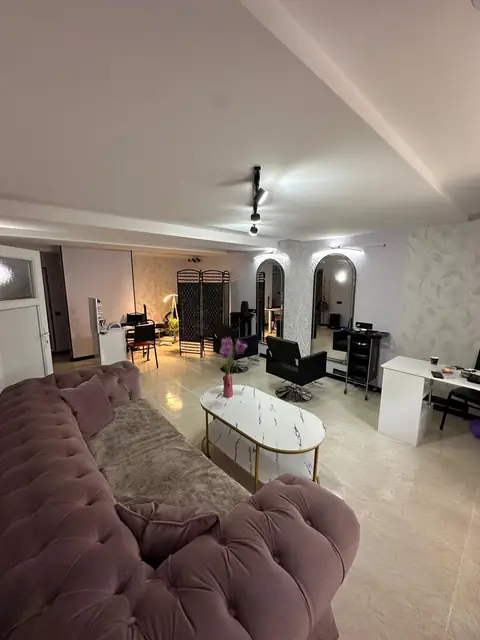
Massage at SANLE
At SANLE, classic massage is done by Irma and costs 100₾. A massage also makes a great gift — for women and men alike. Time given to your body at the end of the day is the best investment in a good mood.
Frequently asked questions
Does classic massage hurt?
It shouldn't. You may feel slight discomfort on tight areas, but if it hurts, tell your therapist and they will ease the pressure.
How soon will I feel the effect?
You usually feel relaxed during the session itself. For long-standing tension, a noticeable change takes a few sessions.
Can I exercise after a massage?
Avoid intense training on the day of your massage — it's better to let your body rest. A gentle walk is perfectly fine.